

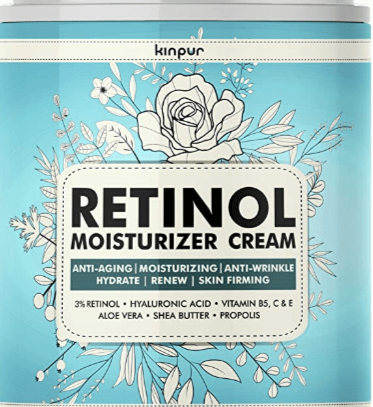
Retinol benefits
Applying vitamin A topically in the form of retinol can include the following benefits:
- Prevent wrinkles due to its minimizing effect, as well as smooth out existing fine lines and wrinkles.
- Brighten dull skin by exfoliating at a cellular level, which results in brighter and smoother new skin.
- Regulate oily skin and minimize breakouts.
- Fade dark age spots, sun spots and hyperpigmentation and even out complexion over time.
Retinol side effects
Since retinol is such a powerful ingredient, it can cause the skin to redden or peel if it’s incorporated into a skin care regimen too quickly or used too often. Flakiness, dryness and even some breakouts can occur when retinol is first added to a routine. Typically, it just takes a little time for the skin to adjust.
“Begin slowly by adding it into a nightly routine one to two times per week for the first week and increasing it gradually from there, depending on how the skin reacts,” von dem Hagen told TODAY. “If there is visible redness or peeling, use it once per week for a month then increase to twice per week and monitor the skin for irritation before increasing use.”
Von dem Hagen said those using a retinol cream or serum to allow it to absorb in the skin for 20 to 30 minutes before applying another product on top. It is also imperative to use sunscreen daily to protect skin while using retinol, as it can become more sensitive to sun.
Alster told TODAY she always advises her patients who are considering pregnancy, or are pregnant or nursing to consult their obstetrician before beginning or continuing their retinol treatment. Other retinoids, such as prescriptions like Isotretinoin that’s taken orally to treat acne, have shown harmful side effects for pregnant women, including miscarriage.
When to begin using retinol?
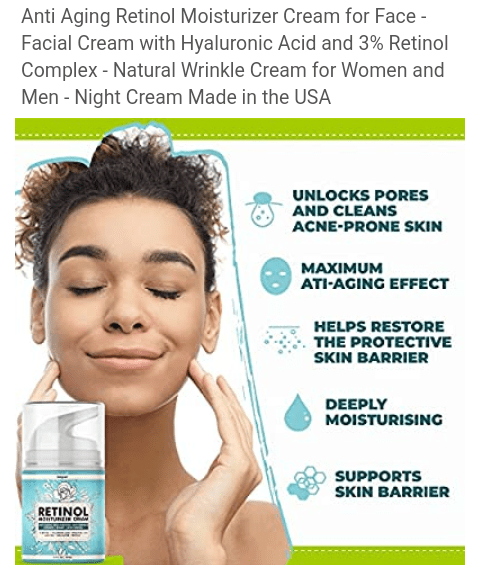
Von dem Hagen highly recommended incorporating a retinol product into a skin care routine at age 30, three to four times a week. By the 40s, every other night is beneficial and in the 50s, 60s and beyond, incorporate a retinol product five to seven times per week.
Retinol for acne
Due to its powerful cell renewal property, retinol can be incredibly helpful for people who often have acne and breakouts. It helps to normalize cell turnover and has an exfoliating effect that stops pores from clogging and pimples, blackheads and cysts from forming.
For teenagers suffering from severe acne, Rosa Sollecito, who owns a strictly organic, chemical-free line of skin care called AloeMoist Organics, said it’s vital to check with a dermatologist first and be sure to not mix retinol with other ingredients that could overdo its effects.
 Omorh beauty care